Enter your email address below.
2 min read...
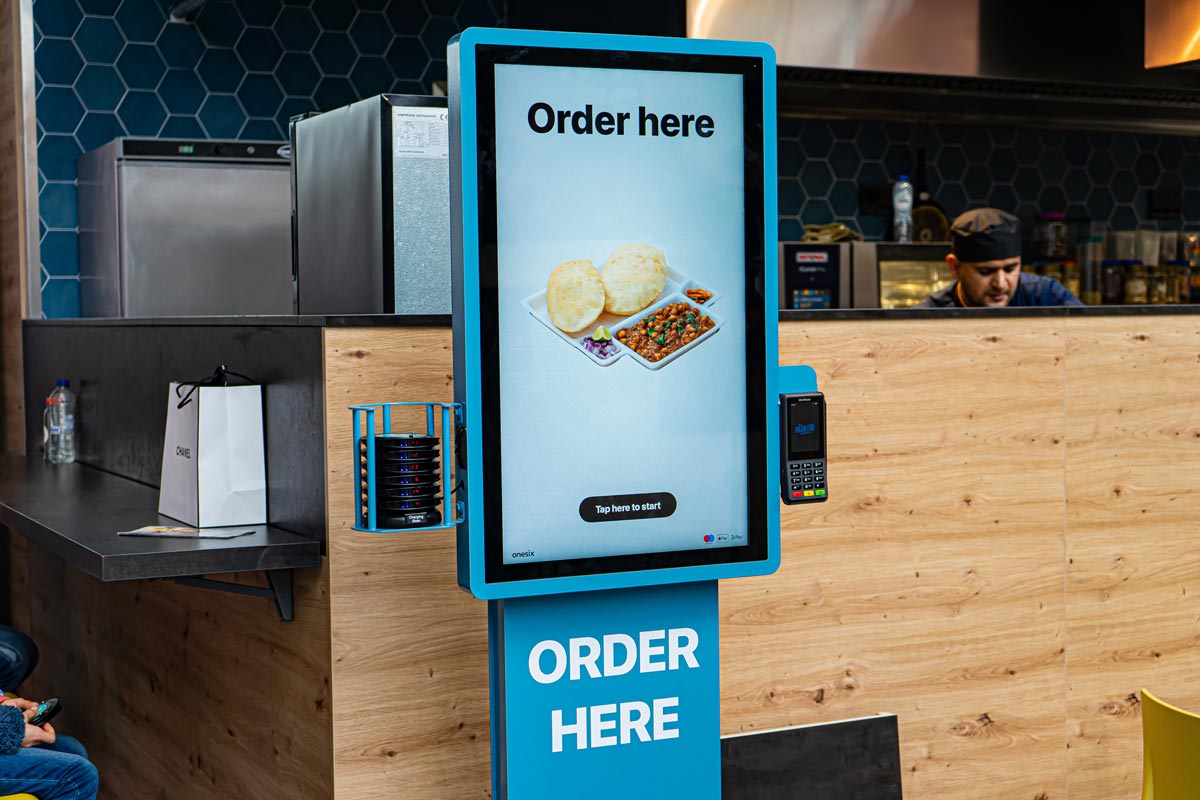
In the dynamic and demanding world of hospitality, efficiency is crucial. Long queues can discourage customers and lead to reduced satisfaction. Fortunately, self-order kiosks offer a solution that not only improves the ordering experience but also significantly reduces waiting times. In this blog post, we explore how self-order kiosks can transform the hospitality industry by enabling faster and seamless ordering processes.
Self-order kiosks give customers the ability to place their own orders, bypassing the traditional process of waiting in line and ordering from a staff member. This significantly reduces the time needed to place an order, allowing customers to enjoy their meals faster. Additionally, self-order kiosks can be customised to match the specific menus and options of a hospitality venue, making ordering simple and intuitive.
The human element can sometimes lead to errors when taking orders, such as incorrect items or wrong quantities. Self-order kiosks largely eliminate these concerns, as customers enter their orders directly into the system. This reduces human errors and increases order accuracy, ultimately resulting in satisfied customers and less wasted time for staff.
Self-order kiosks offer hospitality businesses the opportunity to encourage upselling and cross-selling. By displaying smart recommendations and promotions on the kiosk screen, customers can be encouraged to add extra items or side dishes to their order. This not only increases the average order value but also reduces waiting times, as customers can browse at their own pace and make adjustments to their order.
In addition to reducing waiting times, self-order kiosks also offer operational benefits. Staff can focus on other tasks, such as preparing orders and providing customer service, instead of taking orders. This increases the overall efficiency of the restaurant and contributes to a smoother flow of customers.
Self-order kiosks are transforming the hospitality industry through shorter waiting times and improved efficiency. They streamline the ordering process, reduce errors, encourage upselling, and improve operational workflow. For businesses, this means higher revenue and customer satisfaction, while customers enjoy a fast and personalised ordering experience.

Casper is a Marketing intern at Onesix. This news site offers relevant articles for people working in or interested in hospitality, retail and amusement parks.